localized date
Current Time



WARREN COUNTY, Pa. — Local leaders and timber industry professionals are hoping for an economic boost as logging increases in the Allegheny National Forest.
The timber industry has strong roots in the four counties that contain the Allegheny National Forest: Elk, Forest, McKean, and Warren. With fewer than 150,000 residents, it’s a small enough region where almost everyone knows everyone else in the business. Many have ties stretching back generations.
Even the streets carry the impact: firewood is stacked next to “For sale” signs at the edge of roads. The west half of the Borough of Kane in McKean County is street after street named for tree species. And driving between the counties often means passing by one of many signs for the Allegheny National Forest, the only national forest in the state.
“If you're somebody who lives here, almost everybody is touched in some way by the timber industry,” said Julia McCray, executive director of the Allegheny Forest Alliance, a coalition dedicated to the national forest’s health that includes local officials and people from the timber industry.
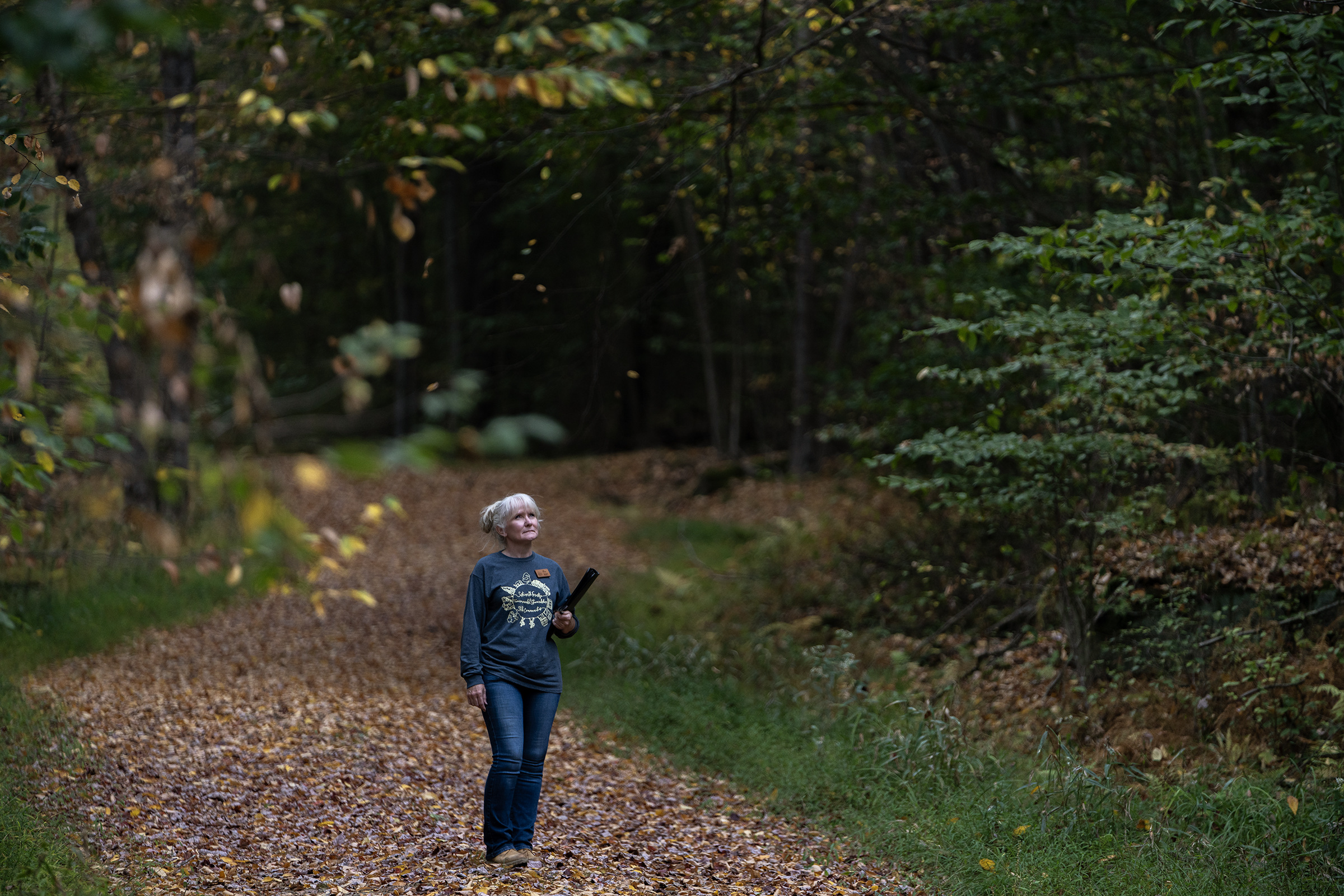
As logging expands on federal lands amid a Trump administration push for more timber, the effects could be felt for years to come — in the forest and beyond. A single logging operation relies on a multi-step chain of work that employs many.
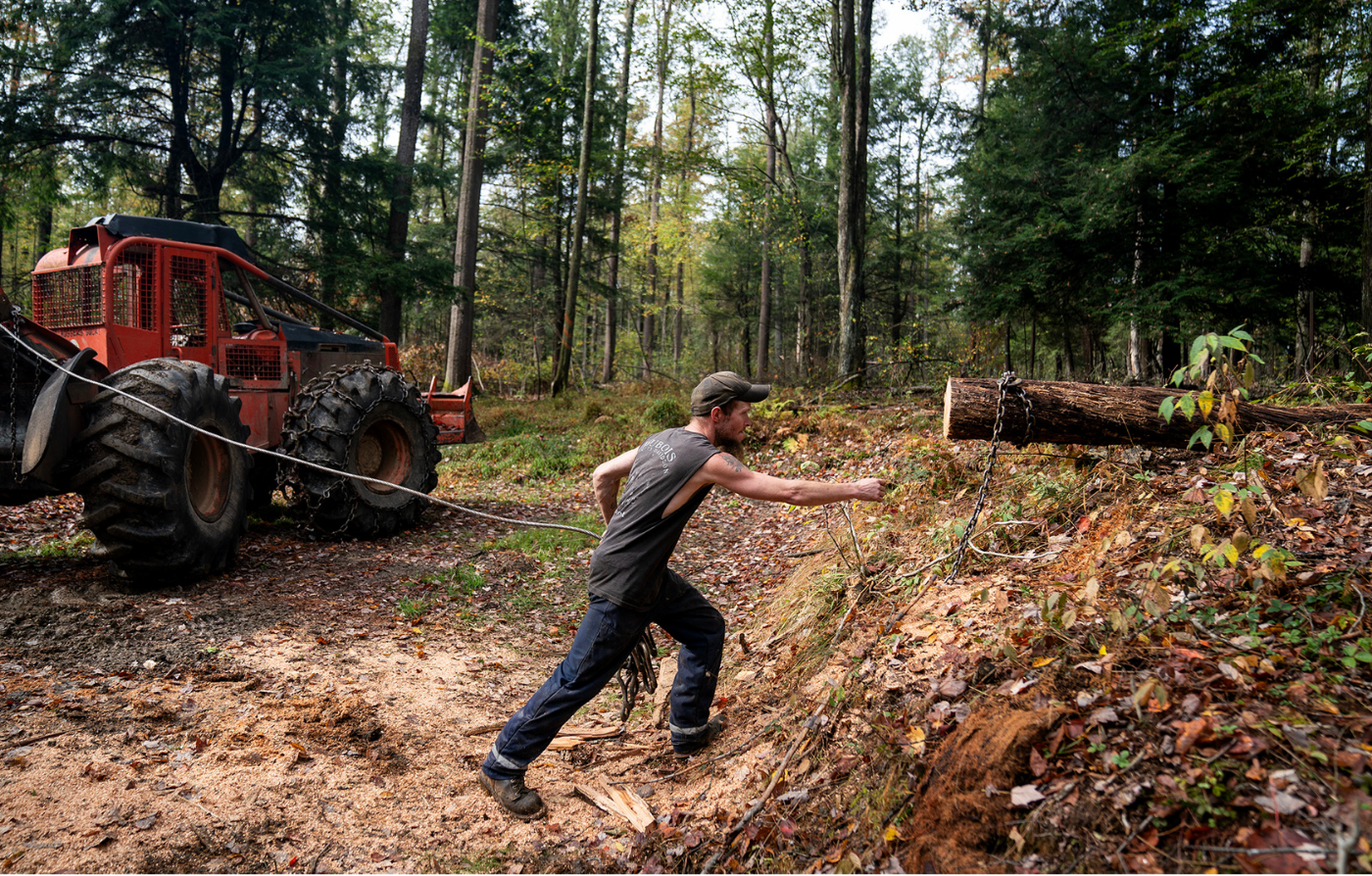
It takes workers to mark the trees that will be cut, loggers to do the cut, truck drivers to take the logs to mills, and employees at the local mills to process the wood to be sold.
The money flowing from that operation funds not just the local timber industry — it funds local schools and helps maintain roads.
And having work to do in the Allegheny National Forest can help keep parts of the industry afloat in hard times. If there’s a downturn in the market, private landowners might hold off on selling timber to be logged until it’s more economically viable.
When President Donald Trump announced a swath of tariffs in April, market uncertainty meant fewer timber sales.
The timber industry has hit hard strides in recent years, and mill numbers have steadily declined.
A family-owned mill, Patterson Lumber in Potter County closed this summer. Mills are crucial to a forester’s work, said Kenny Kane, a forester and president of Generations Forestry, a consulting forestry firm that does some work in the national forest assisting with timber sales and marking trees to be cut.
Having a mill to purchase the wood helps cover the cost of forest management for private landowners and provides jobs.
The Kane Hardwood mill, a division of the Collins company based in McKean County, employs around 65 people to work the sawmill and maintain it, said Jason Stanley, director of hardwood lumber operations.
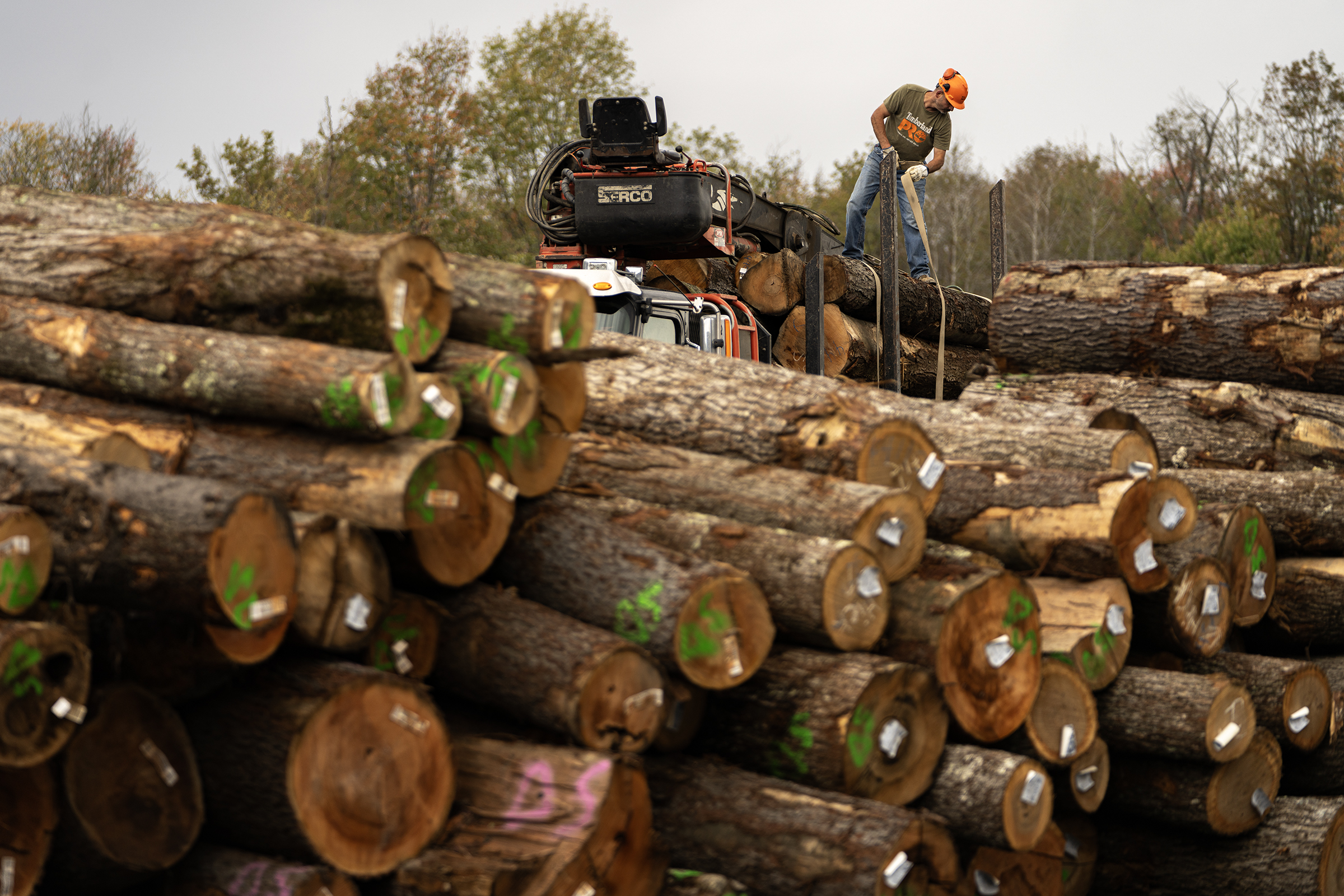
The Forest Service awarded almost $2.9 million in grants this year to mills and lumber companies in Pennsylvania, many of which are near the Allegheny National Forest. Some grants were specifically earmarked to support logging in national forest.
All four counties containing the National Forest rely on timber sales happening because they get a chunk of the profits to make up for lost tax revenue from federal lands. McKean, Elk, and Warren get 25% of all timber sale revenue in their jurisdictions.
Forest County is an outlier, getting its funding from the Secure Rural Schools program, an alternate way for counties to make up lost revenue from federal lands.
The funding is determined by a multi-step calculation that includes how much federal land is in a county and county incomes.
But a failure to reauthorize it in Congress has meant Forest County reverted to the 25% number, significantly less than what it received under the Secure Rural Schools program. The future of the program is unknown. Local officials like Forest County Commissioner Bob Snyder said “it’s in limbo.”
“As far as I know, it's probably going to take another federal budget renewal to change it, unless somebody slips a bill in with an in there,” Snyder said. “But I'm not aware of any of any movement at all going on right now.”
It’s put pressure on local municipalities that were already strapped for cash.
For Howe Township, a municipality in Forest County with a population of less than 200 people, less money has made budgeting complicated.
Typically, Howe would get $238,000 from Secure Rural Schools funding, but this year it’s $92,000 from the 25% of sales, said treasurer Beverly Pollock.
The unassuming township office sits off Route 666, which crosses through the national forest. The building needs a new front porch and ramp, but that will likely need to wait, Pollock said.
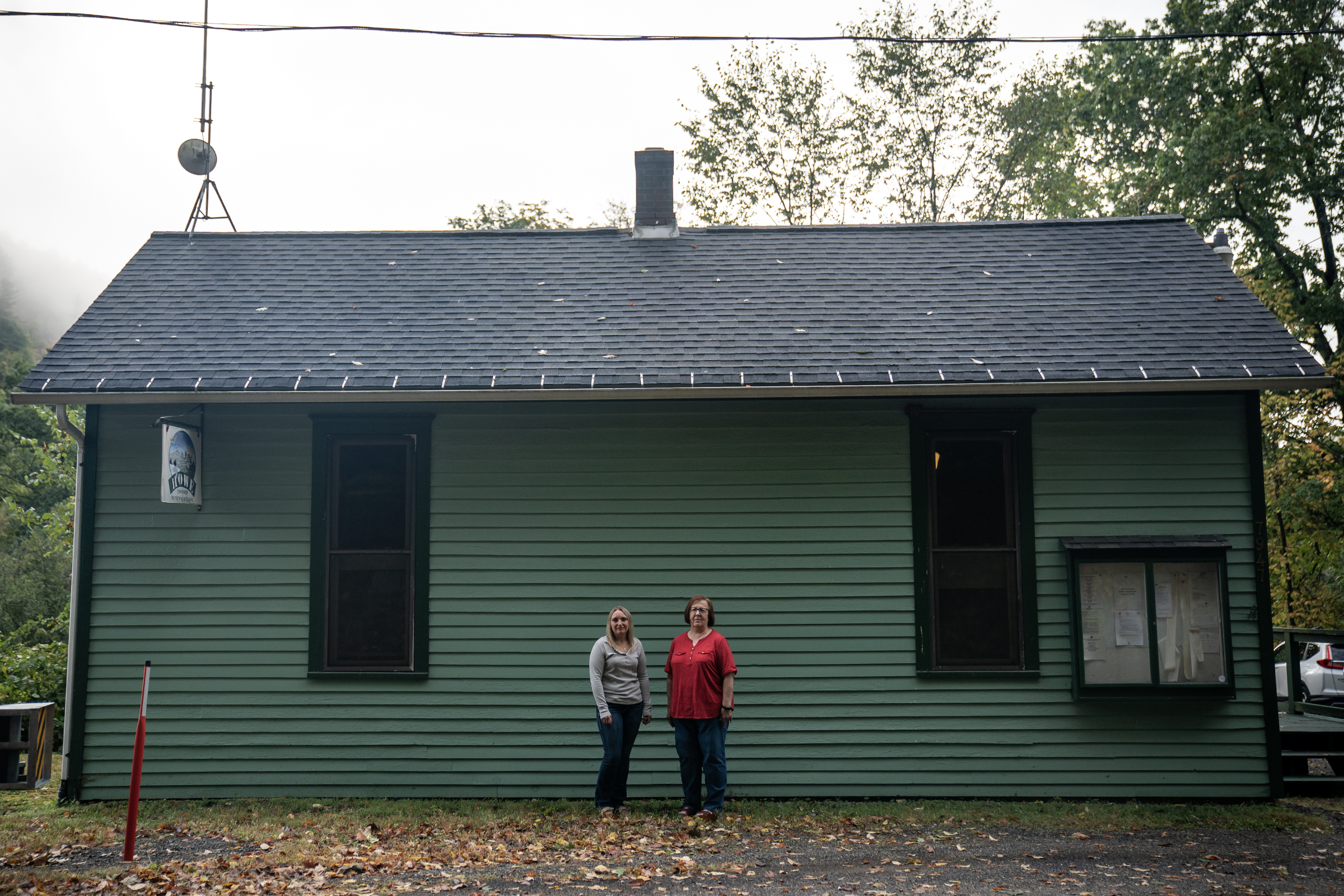
It’s not the first time Secure Rural Schools funding didn’t come through. A failure to reauthorize back in fiscal year 2016 meant cuts to the township’s budget.
“When we found out definitely that we weren't getting the money, we did budget cuts for both full-time employees. We went to 32 hours. We didn't take a raise that year, and we kind of went through the budget to find other things that we could cut,” Pollock said.
“We did as many budget cuts as we could, because at the end of the day, you have to make sure that the roads are safe for the residents.”
Conservative budgeting means Pollock isn’t looking for cuts yet, but she might if it doesn’t come in future years. The biggest priority, she said, is road maintenance.
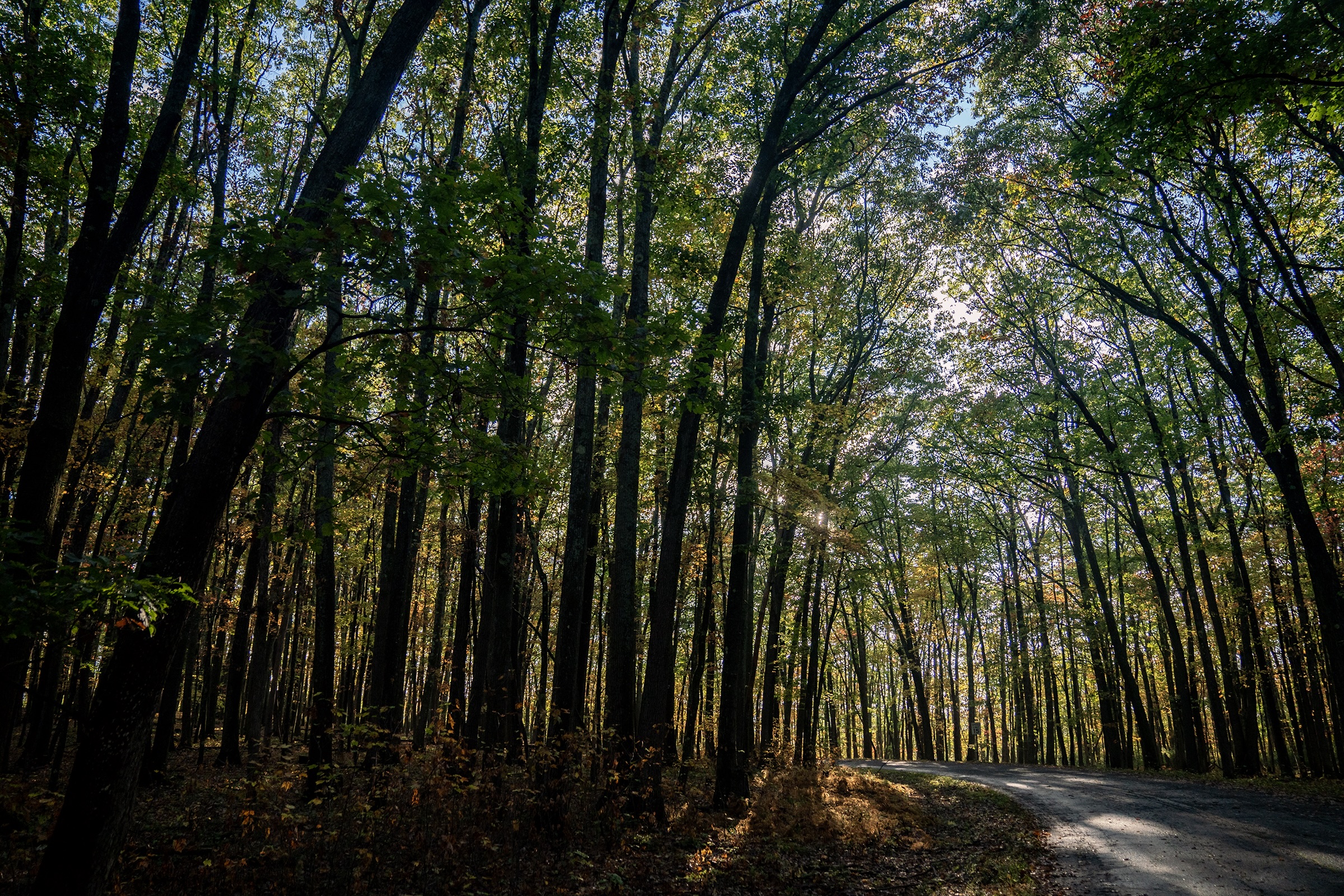
Howe Township has a little over 20 miles of road it maintains, all dirt and gravel, that are often used by visitors to the Allegheny National Forest.
Forest Area School District, which has around 325 students, would typically get around $650,000 through Secure Rural Schools, but reverting to the 25% share means a little over $200,000, said outgoing superintendent Amanda Hetrick.
That $450,000 cut could mean eliminating teaching positions, curriculum materials, and field trips down the line.
But it’s not an isolated issue, Hetrick said. Anything that impacts the timber economy in Forest County affects the school.
“A lot of our families are reliant upon timber income as well because they work for loggers, they are foresters, they work for timber companies,” she said.
More logging in the forest would help with the budget but it would not cover the gap from lost Secure Rural Schools funding, she said.
Reauthorization of the program is a priority, said U.S. Rep. Glenn Thompson (R-15th), whose district includes the national forest.
A House reauthorization bill has been in a subcommittee since February, and a similar bill passed the Senate but has not moved in the House.
“For more than two decades, Secure Rural Schools has been a critical lifeline for many counties and school districts nationwide. The program remains a top priority, and I continue to strongly advocate for a multi-year reauthorization,” he said in an email statement. “Over the long-term and with the administration’s executive actions, I also am hopeful that we will see timber targets rise and harvest levels increase in the national forest system to encourage more dependable revenue to rural counties and schools.”