

localized date
Current Time


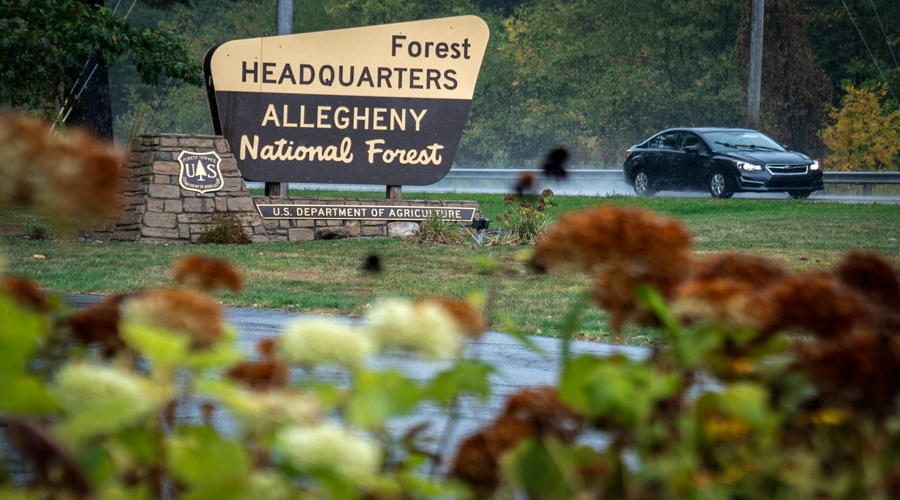
WARREN COUNTY, Pa. — Environmental advocates worry that rules limiting logging and development in vast, undisturbed areas of national forests could loosen amid a push for increased timber harvesting.
A spokesperson for the Allegheny National Forest said the impact would not be felt locally, but some advocates remain skeptical.
The 2001 Roadless Area Conservation Rule prohibits mining, drilling and logging on nearly 45 million acres of roadless areas in national forests. That includes about 25,000 acres of the Allegheny National Forest — roughly 5% of the more than 500,000-acre forest.
As logging expands in the Allegheny National Forest amid a federal push for more timber, the effects could be felt for years to come, both within the forest and beyond.
In June, U.S. Secretary of Agriculture Brooke Rollins announced the U.S. Department of Agriculture intends to rescind the Roadless Rule. More than 600,000 public comments were submitted, many opposing the rollback.
A proposed replacement rule and environmental impact statement are expected by March, with an additional opportunity for public comment. A final decision is expected in late 2026.
Alisen Downs, a public affairs specialist for the Allegheny National Forest, said rescinding the rule would not affect the forest because its existing forest plan already prohibits “scheduled timber harvest or Forest Service road construction” in all areas covered by the Roadless Rule.
“If the 2001 Roadless Rule is rescinded, we would continue to adhere to the standards in the 2007 forest plan,” she said.
But the forest plan is outdated — intended to last only 10 to 15 years — and will eventually need to be revised. Staff at the Allegheny National Forest have not yet begun the process of creating a new plan, and no timeline has been set, Downs said.

Amy Wolfe, northeast regional director of Trout Unlimited, said she remains concerned that if the Roadless Rule is rescinded, the forest plan could be revised to allow logging on the 25,000 acres that were previously protected.
“The Allegheny National Forest land management plan was last revised in 2007. It is already beyond the time period when the National Forest Management Act calls for revision,” Wolfe said. “There’s absolutely no guarantee that those current protections will stay in effect if the Roadless Rule is repealed.”
Trout Unlimited works to maintain healthy trout populations and stream quality.
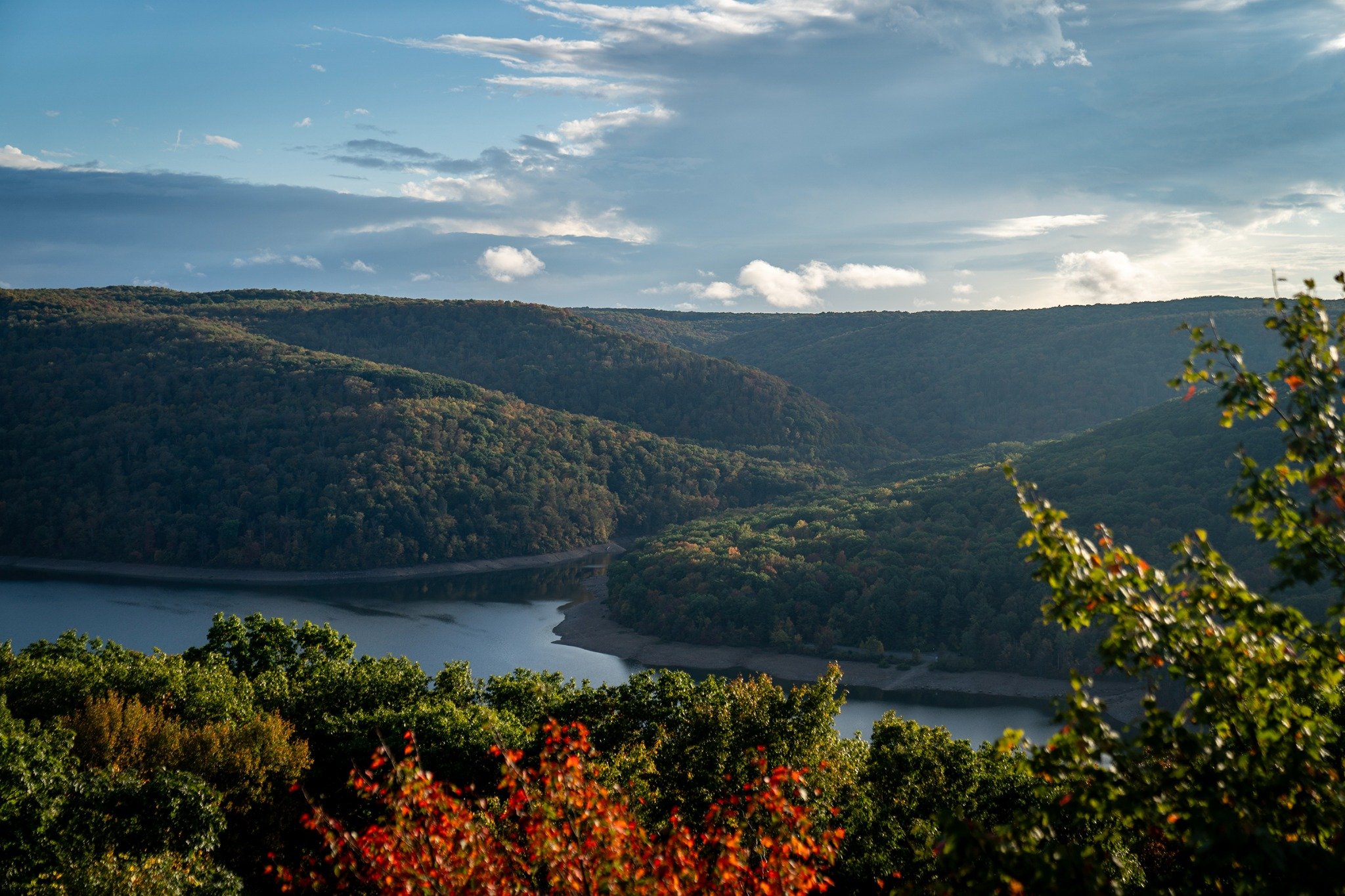
That includes Heart’s Content, a popular sightseeing destination protected under the Roadless Rule and designated as a scenic area by the Forest Service.
Heart’s Content is a rarity within the national forest. While most of the forest is no more than a century old, the 122-acre tract contains old-growth trees, including white pines that are 300 to 400 years old. In 1977, the National Park Service designated the area a National Natural Landmark.
Environmental groups have pushed back against Rollins’ announcement, citing concerns about forest health, recreation and the balance of several mandated uses for the forest. Those uses include “outdoor recreation, range, timber, watershed, and wildlife and fish purposes,” as outlined in a federal law enacted in 1960.
National hunting and fishing organizations, including Backcountry Hunters & Anglers, have opposed the rollback. The Allegheny National Forest draws outdoor enthusiasts from across Pennsylvania and neighboring states, said Chris Hennessey, the group’s eastern field director.
“I know from personal experience that hunters and anglers from all over the commonwealth and from across the Eastern Region go there because it is such a great piece of wild land,” he said.
Hennessey warned the proposed changes could allow road construction too close to streams, increasing sediment in waterways and harming trout habitat.
But it is a double-edged sword: Deer and other game animals tend to prefer areas that have been recently clear-cut, where food sources such as nuts and seeds are more plentiful.
“We’re not against mining. We’re not against extractive uses or industry,” Hennessey said. “But we want those activities done responsibly, in the right places, and with consideration for conservation.”
Stephanie Wein, a clean water and conservation advocate with PennEnvironment, said efforts to expand logging or build roads could harm forest health, recreation and water quality.
She noted that only a small portion of the forest is protected under the rule.
“When we have access to the other 95% of the forest, it really feels like we should be leaving what does have this higher standard of protection off-limits,” Wein said. “There is plenty of room for those industrial activities elsewhere in the Allegheny National Forest. This remaining 5%, in our view, should be left for wildlife, for the forest to mature, and for recreation, because people are using these places, too.”

For Warren County resident and fisherman Travis Larson, concerns center on the consequences of allowing industrial activity in previously protected areas. Larson fishes for native brook trout, the state fish, and runs Hatch Run Fly Fishing, a business that guides people on fishing trips in the national forest.
“There’s so much to be lost by giving a little,” Larson said. “But there’s always a bigger picture. At the end of the day, we have a great resource here, and we just need to manage it properly.”
Abigail Hakas is a journalist based in Western Pennsylvania. This reporting was supported by a grant through a U.S. Local Reporting Grant through the Pulitzer Center.
Alexandra Wimley is a visual journalist and worked on this report as an independent project. She works for the Pittsburgh Post-Gazette and was a member of the 2019 Pulitzer Prize winning staff for breaking news for coverage of the massacre at the Tree of Life synagogue.
The Pittsburgh Media Partnership Newsroom is a regional news service under the Center for Media Innovation at Point Park University that focuses on government and enterprise reporting in southwestern Pennsylvania. Find out more information on foundation and corporate funders here.
Header image: A car passes the sign for the Allegheny National Forest Headquarters in Warren, Monday, Sept. 22, 2025. (Photo by Alexandra Wimley)




.png)